
Budgeting for Your Remodel
We’ve all seen home remodeling shows that promise budget-saving, do-it-yourself renovations — all accomplished in time-lapse filming. While such shows can be inspirational, they can also be a recipe for disappointment. DIY can be effective for basic cosmetic changes, but for anything involving electricity, plumbing, or structural changes, you need experts. Done well, remodeling will add value to your house. Done poorly, and you’re looking at needed repairs and a negative impact on your home’s value.
A common mistake when starting a remodeling project is not setting a realistic budget — or not setting a budget at all! According to a 2024 study by Houzz, at least a quarter of homeowners didn’t set a budget for their remodeling projects. Of the ones that did, nearly 40% spent more than they intended.
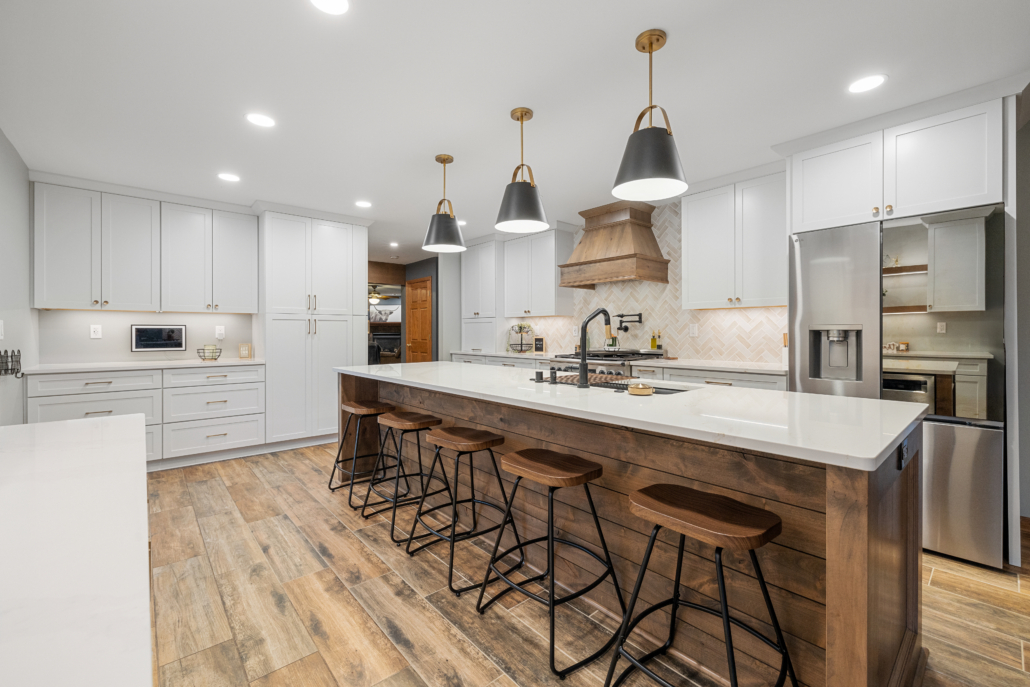
 Some costs are obvious. For a kitchen, for example, there will be cabinetry, hardware, appliances, countertops, faucets, plumbing, and ventilation. But don’t overlook the smaller things. Have you accounted for the cost of gutting the workspace and debris removal? Asbestos or lead removal? Dumpster fees and cleanup? Often overlooked are the cost of permits. Permits are always needed when installing new plumbing or electrical wiring, changing a roofline, or building an addition or outbuilding.
Making a comprehensive list of expenses helps you navigate the proposals you get from contractors. The benefit of working with a contractor who offers an all-inclusive quote is that the price covers everything, including design, materials, labor, delivery fees, permits, and waste removal. Check your list of expected expenses against the proposals and see if there are any gaps. You’ll probably be surprised that there were some costs you may have overlooked!
Having a clear-eyed vision of how much things cost will help you make decisions. Comprehensive kitchen and bathroom remodels cost more due to plumbing, electrical work, and the price of custom cabinetry, countertops, and fixtures. A kitchen remodel costs anywhere from $32,000 to $90,000 and up in the Milwaukee metro area, depending on size and the quality of the finishes. Basement renovations cost from $40,000 to $60,000 and up; any additions, such as a bar or bathroom, will incur higher costs.
Have frank conversations with your contractor at the beginning of the process to avoid surprises. They can help you prioritize your projects, manage your expectations, and set firm outlines of the process. A professional designer can help you make decisions about where to splurge and where to be more budget-friendly. A clear, comprehensive design will also help you avoid the biggest threat to a homeowner’s budget: “scope creep.” Changing your mind mid-project adds costs due to new material purchases and change orders.
Some unexpected costs are inevitable, so add a contingency fund of 10-20% to your budget. For older houses, opt for the top of that range, as older homes have a greater potential to hide unpleasant surprises, such as mold, water damage, pests, or structural problems that will need to be dealt with. Your finished renovation will have to pass a code inspection; older homes are more likely that have had prior work that wasn’t done up to code or needs to be updated.
Also think about living expenses caused by the disruption in your life. You may need to rent a storage unit if you’re moving out furniture. Think about the higher costs of restaurants or ordering take out. You may need to board your pets. Ask your contractor if you’ll need to vacate the home at any point, and add a budget line item for a hotel stay or a temporary rental. In the end, clear communication with your contractor and realistic expectations will help your renovation go smoothly. If you talk about money honestly at the beginning of the process, you won’t be distressed about money at the end!