

Safety During a Renovation
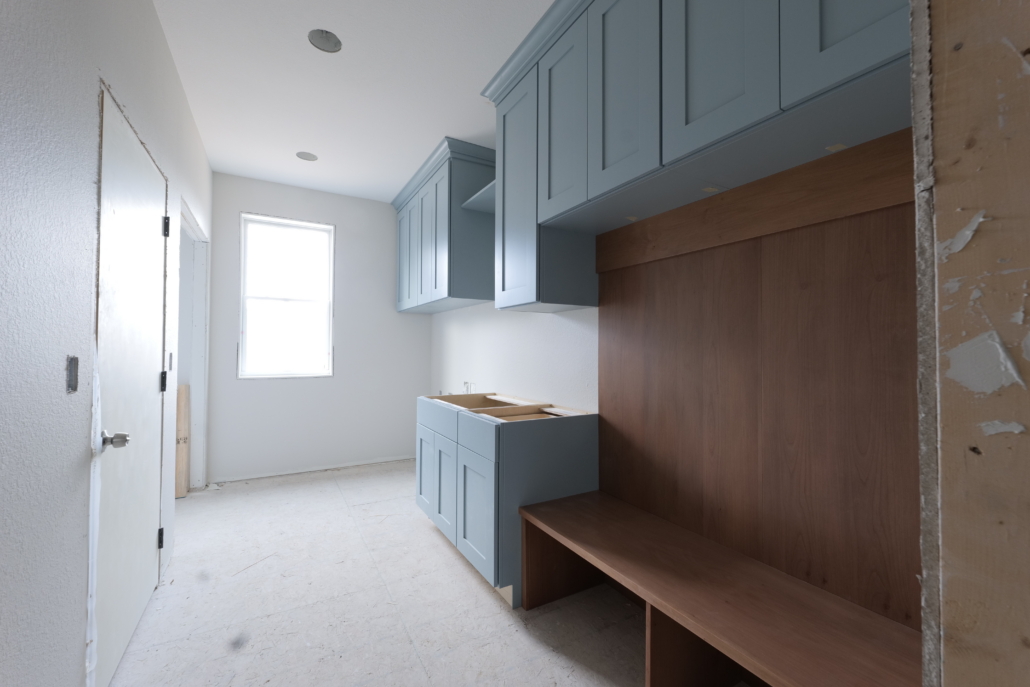
Active construction areas are full of potential safety hazards: loose wood, nails, exposed wiring, weak spots, ladders, open plumbing, and power tools, just to name a few. The obvious way to stay safe during a renovation is to note be there — if you have a vacation planned, or spend part of the year at a secondary residence, coordinate those dates as much as possible. But that’s not in the cards for everyone. Odds are, you’ll be living in your house while renovations are happening. If so, take precautions for the safety of your family and the crews who will be working in your home.
Before work begins, check for mold in the areas to be renovated. Mold or mildew can be hazardous even before it’s dispersed into the air, and most contractors require you to deal with it before they begin. Identify and mark the location of any utility lines. Check your contractor’s policy regarding handling hazardous materials like lead and asbestos. Test fire alarms and carbon monoxide detectors, and make sure you have fire extinguishers on hand.
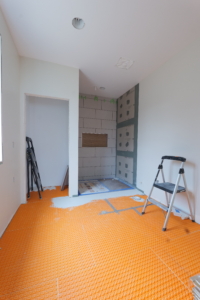 To prepare the space to be renovated, remove anything that can be removed. Move out furniture and appliances you’ll be keeping. Store as much as possible in your basement, garage, or offsite storage. Cover anything that needs to remain in place with dropcloths, tarps, or plastic sheeting. Pay attention to adjoining rooms as well. Clear all shared walls by moving furniture to the center of the room and taking down pictures; vibrations from power tools can cause them to fall and glass to shatter. Cover furniture, vents, and floors in adjacent areas to protect them from dust.
Make sure routes to and from the work space are easily navigated and that the floors are protected. Clear and free access is important to the safety of both the workers and your family. Think about where the workers will be walking — not just from the outdoors to the workspace, but from the workspace to the circuit breaker, or the water main, or the bathroom.
If you’re having more than one room remodeled, make a plan for when you’ll have access to which rooms, and when others will be off limits. The most planning comes with kitchen remodels: a full kitchen remodel can take anywhere from two weeks to a month, and you can’t spend all that time eating at restaurants! Plan a temporary place to cook that has suitable electricity for portable appliances like a hotplate, microwave, coffeemaker, mini fridge, or electric kettle. You’ll also need a place with running water for washing up — the laundry room or a spare bathroom. Your temporary kitchen should be away from the original kitchen so that your food is protected from dust and debris.
While workers are on site, keep the lines of communication open. Clear boundaries will help protect your privacy and the safety of their work area. Reputable contractors should have set work hours each day and stick to them (for example, GMH’s work hours are 7 am to 7 pm throughout the duration of the construction.) The driveway will need to be left clear for construction vehicles, so think about an alternative location to park your car during work hours.
It can be challenging to keep children and pets away from the work area, but it is vital you do so. Make sure your kids know where they can and can’t be while work is going on, and that they have something to keep them busy. If their natural curiosity will be too much for them, think about finding something fun for them to do outside of the house: day camps, weekends with grandparents, or trips with friends. For pets, set up boundaries they can’t get through. Close doors between rooms or use baby gates. For dogs, consider doggy day care; for cats, find a quiet room away from the noise that can be closed off.
The construction team will seal off the doorways to the construction area with plastic sheeting. Make sure those barriers remain intact; dust and fine debris travel far and fast
through any gaps. It’s most convenient for the contractors — and safest for you — for you not to enter the work space unless necessary. If you do need to step into the space to ask or answer questions, make sure you wear soled shoes and that you reseal the barriers after you leave. If you’re pregnant, stay away from the construction area.
While the construction team will tidy their work area each evening, keep an eye out for dust in the rest of your house, especially if you have family members who are sensitive to poor air quality. Light dusting each evening after work has finished will show you how much has escaped into the house; if you’re seeing dust on a regular basis, do a deep and thorough cleaning of the adjacent areas after construction is done.
Physical safety is one consideration, but security is another. Your home is more vulnerable to theft while renovation is ongoing. Make sure someone is there to receive the deliveries of tools and materials, and have them stored in a safe place until needed. The workers will be storing their tools, supplies, and materials on site, so think about the best and most secure area for storage.