How to Best Navigate the Design Process
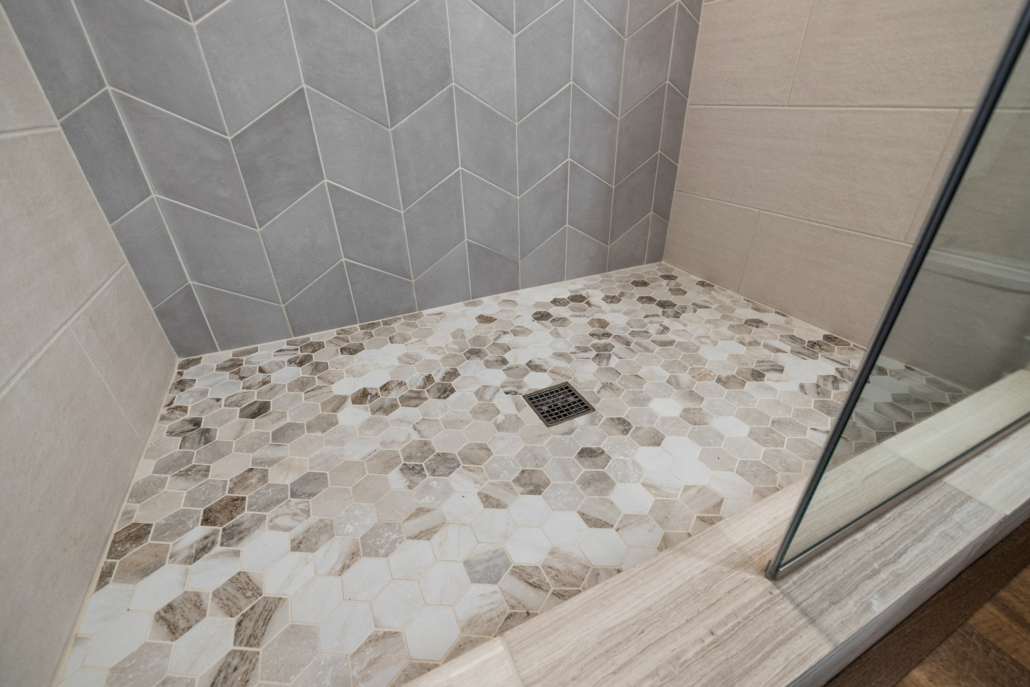
The design phase is where homeowners begin transitioning from broad ideas into detailed planning, selections, budgeting, and decision-making. It’s also where expectations are established for the rest of the project.
The Design Process Sets the Tone for Everything Else
While homeowners are often eager to see demolition begin, the design process is where the foundation for a successful remodel is truly built.
Thoughtful planning during this phase leads to:
- Fewer surprises
- Better budgeting
- Smoothing scheduling
- Faster decision-making
- A more cohesive finished result
Budget Expectations
Throughout the design process, your designer will help you understand which ideas fit comfortably within your budget and which may require additional investment. If a particular feature becomes a must-have, you’ll have a choice; adjust the scope, explore alternative materials, or increase the investment to achieve your desired outcome.
The design phase is the ideal time to align expectations, priorities, and budget. Open communication early in the process allows your team to provide informed recommendations and helps ensure the finished project reflects both your vision and your investment goals.
Prepare for Decision Fatigue
Most homeowners underestimate how many decisions a remodel requires.
Cabinet styles, tile layouts, plumbing fixtures, hardware finishes, paint colors, lighting placement, countertop materials — the list grows quickly.
Instead of trying to perfect every choice:
- Organize selections into categories
- Make decisions incrementally
- Trust your design team’s guidance
- Avoid constantly restarting the process or doubting your decisions
The homeowners who experience the least stress are often the ones who commit confidently rather than endlessly second-guessing.
Stay Flexible
Remember to be adaptable, especially if your designer gives solid reasons something will not work. Sometimes the desired layout doesn’t work structurally. Materials may become unavailable. Budget realities may require reallocation.
The most successful remodeling experiences happen when homeowners stay collaborative and solution-oriented instead of becoming attached to one exact outcome.
Flexibility allows the project to evolve without turning every adjustment into a source of frustration.
Understand the Timeline
Many homeowners assume delays mean inactivity. In reality, substantial work is happening behind the scenes during the design phase:
- Drawings
- Engineering
- Selections
- Specification development
- Budget refinement
Understanding this process helps reduce anxiety during quieter stretches of the project.
Build Trust With Your Team
The design phase is where communication habits are established.
Use this time to:
- Ask questions
- Clarify expectations
- Understand next steps
- Learn how updates will be communicated
- Establish decision-making processes
Strong communication early typically leads to smoother production later.
A well-managed design phase rarely feels flashy — but it is often what separates stressful remodels from successful ones.