Is Your Home Hiding Usable Space?
Questions to Ask Before Building an Addition
When homeowners begin to outgrow their homes, the first solution that often comes to mind is an addition.
More square footage must mean more functionality, right?
Not always.
Many homes built between the 1940s and early 2000s were designed for lifestyles that look very different from today’s. Formal dining rooms sat empty except during holidays. Small, closed-off kitchens separated the cook from family and guests. Long hallways and oversized foyers consumed valuable square footage without adding much everyday function.
Before investing in an addition, it may be worth asking a different question:
Are you truly out of space—or are you simply not using it well?
Your Home May Already Have the Space You Need
One of the most rewarding parts of the design process is helping homeowners see possibilities they never considered.
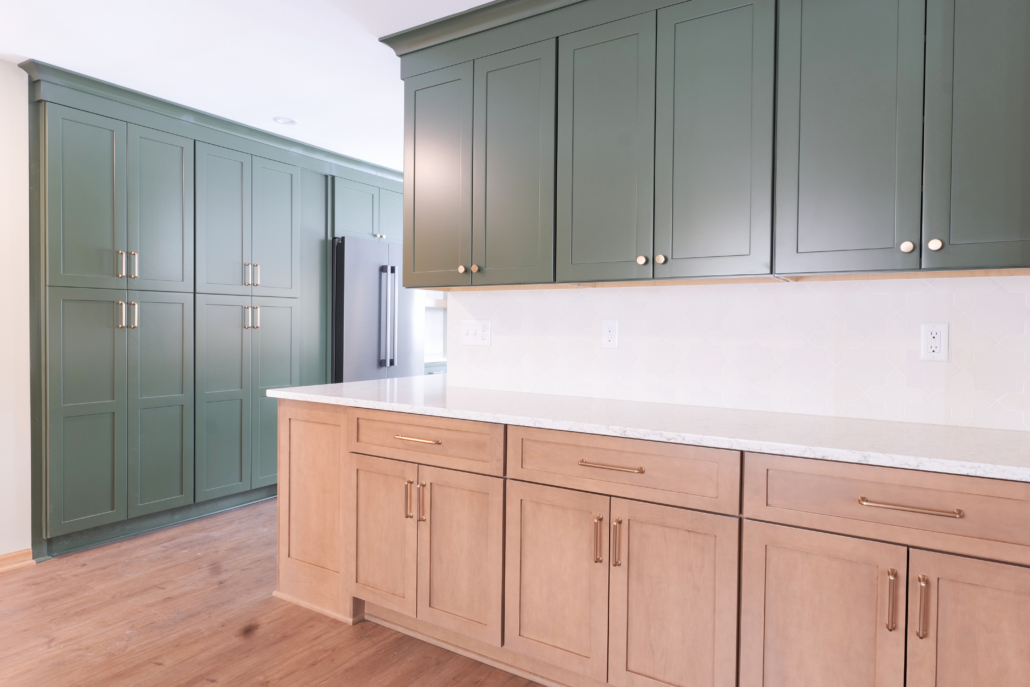
What feels like a cramped kitchen may simply be surrounded by walls that no longer serve a purpose. A rarely used dining room could become the space needed for a larger kitchen, walk-in pantry, or mudroom. An oversized hallway might be transformed into additional storage, a laundry area, or a more functional layout.
The square footage was always there. It simply wasn’t designed for the way your family lives today.
Why Older Floor Plans Often Feel Smaller
Homes built decades ago were designed around different priorities.
Separate rooms provided privacy and formality. Entertaining happened in dedicated spaces. Storage needs were different, and open-concept living wasn’t nearly as common as it is today.
As a result, many older homes contain areas that receive very little daily use, including:
- Formal dining rooms
- Oversized foyers
- Long hallways
- Separate living and family rooms
- Small enclosed kitchens
- Underutilized sitting rooms
While these spaces may have made sense when the home was built, they often create frustration for modern families who want better flow, visibility, and functionality.
Small Changes Can Have a Big Impact
Many homeowners are surprised by how dramatically a layout can change without adding square footage.
Removing a wall, relocating a doorway, reworking circulation paths, or combining underused rooms can completely transform the feel of a home.
Designers approach a floor plan differently than homeowners. Instead of seeing existing rooms, they look for opportunities:
- Can the kitchen borrow space from an adjacent room?
- Is there room for a larger island?
- Can storage be consolidated more efficiently?
- Could several smaller spaces become one highly functional gathering area?
- Is there wasted circulation space that could serve a better purpose?
Sometimes the solution isn’t adding more house—it’s making better use of the house you already have.
Often More Cost-Effective Than an Addition
There are certainly situations where an addition makes sense. However, additions typically involve new foundations, roofing, exterior finishes, structural work, and site modifications.
Reconfiguring existing space can often achieve similar lifestyle improvements while allowing more of the budget to be invested in finishes, functionality, and craftsmanship.
Rather than paying for more square footage, homeowners can focus on improving how their current space works every day.
The Power of Creative Design
The best remodeling projects begin with thoughtful problem-solving.
An experienced designer looks beyond walls and room labels to understand how your family actually lives. They identify inefficiencies, uncover hidden opportunities, and create solutions tailored to your goals.
Sometimes that solution is an addition.
But surprisingly often, the answer is already sitting within the existing footprint of the home.
A Home That Feels Brand New
One of the most common comments homeowners make after a successful remodel is:
“I can’t believe this is the same house.”
By rethinking layouts, reclaiming underutilized space, and designing around modern lifestyles, it’s possible to dramatically improve the way a home feels and functions—without adding a single square foot.
Before assuming you need a larger home, consider whether you simply need a better plan for the one you already have.
You may be surprised by how much potential is hiding in plain sight.